
The Secret to Living a Longer, Healthier Life? It Starts with What You Eat
From Okinawa to Sardinia, six longevity diets reveal how whole foods, community, and mindful eating support vibrant health into your 70s, 80s, and beyond.
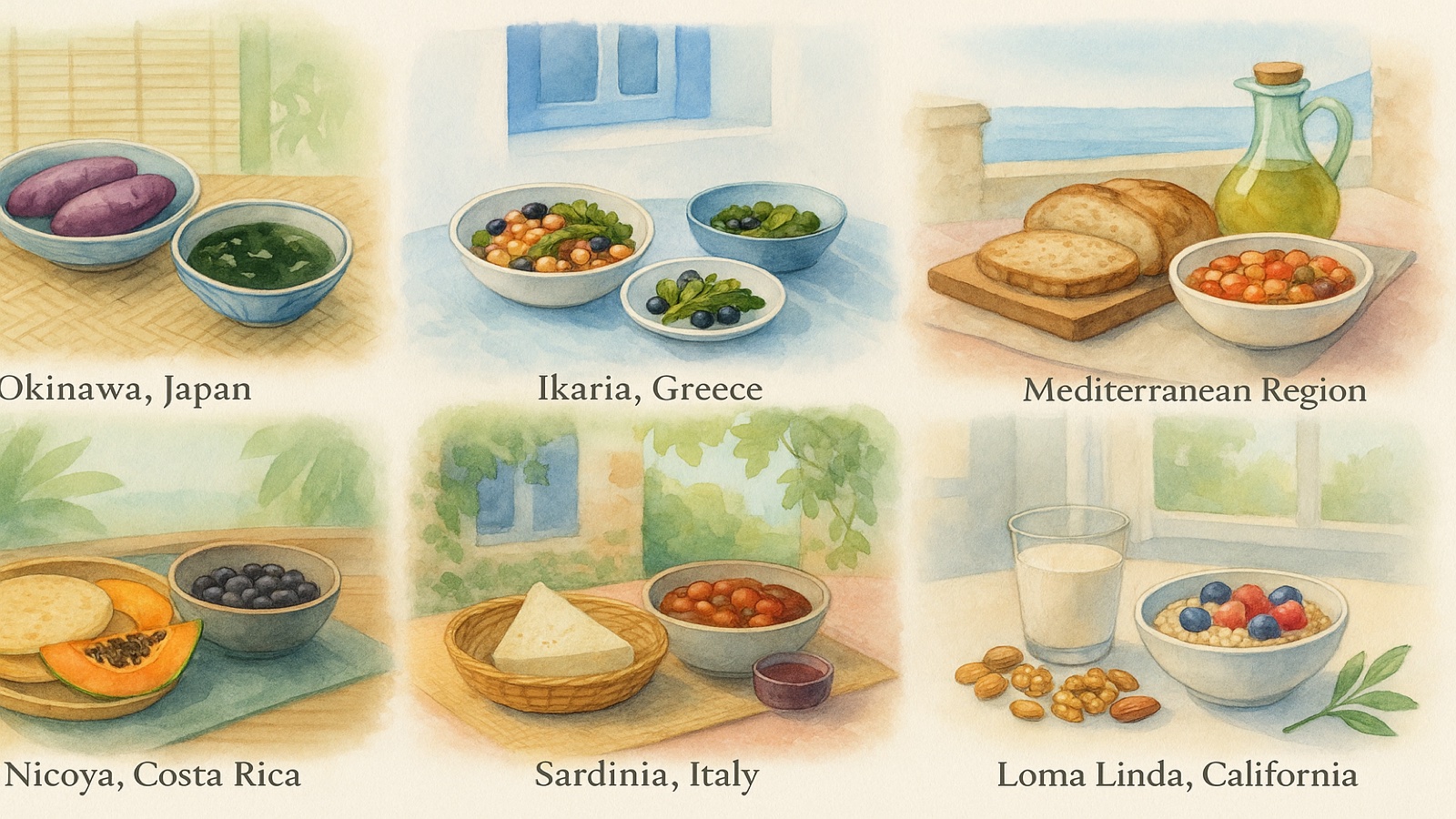
Have you ever thought about what it really means to grow old "healthily"? Not just adding more candles to your birthday cake, but truly living well into your 70s, 80s, and beyond with energy, mental clarity, and independence? If that vision resonates with you, you are not alone. More people than ever are seeking ways to age gracefully and vibrantly. But here is the part that might surprise you: it is not just about genetics or hitting the gym. One of the most powerful tools for longevity is already on your plate.
Daily diet plays a central role in determining how well and how long we live. From supporting heart health and brain function to reducing inflammation and preventing disease, your everyday meals have the power to either accelerate aging or slow it down. That is where longevity diets come in. In this article, we will explore six cultures known for their exceptional longevity — Okinawa (Japan), the Mediterranean region, Ikaria (Greece), Nicoya (Costa Rica), Loma Linda (California), and Sardinia (Italy). Each offers unique dietary patterns and lifestyle habits that support not just living longer, but living better.
What Is a Longevity Diet?
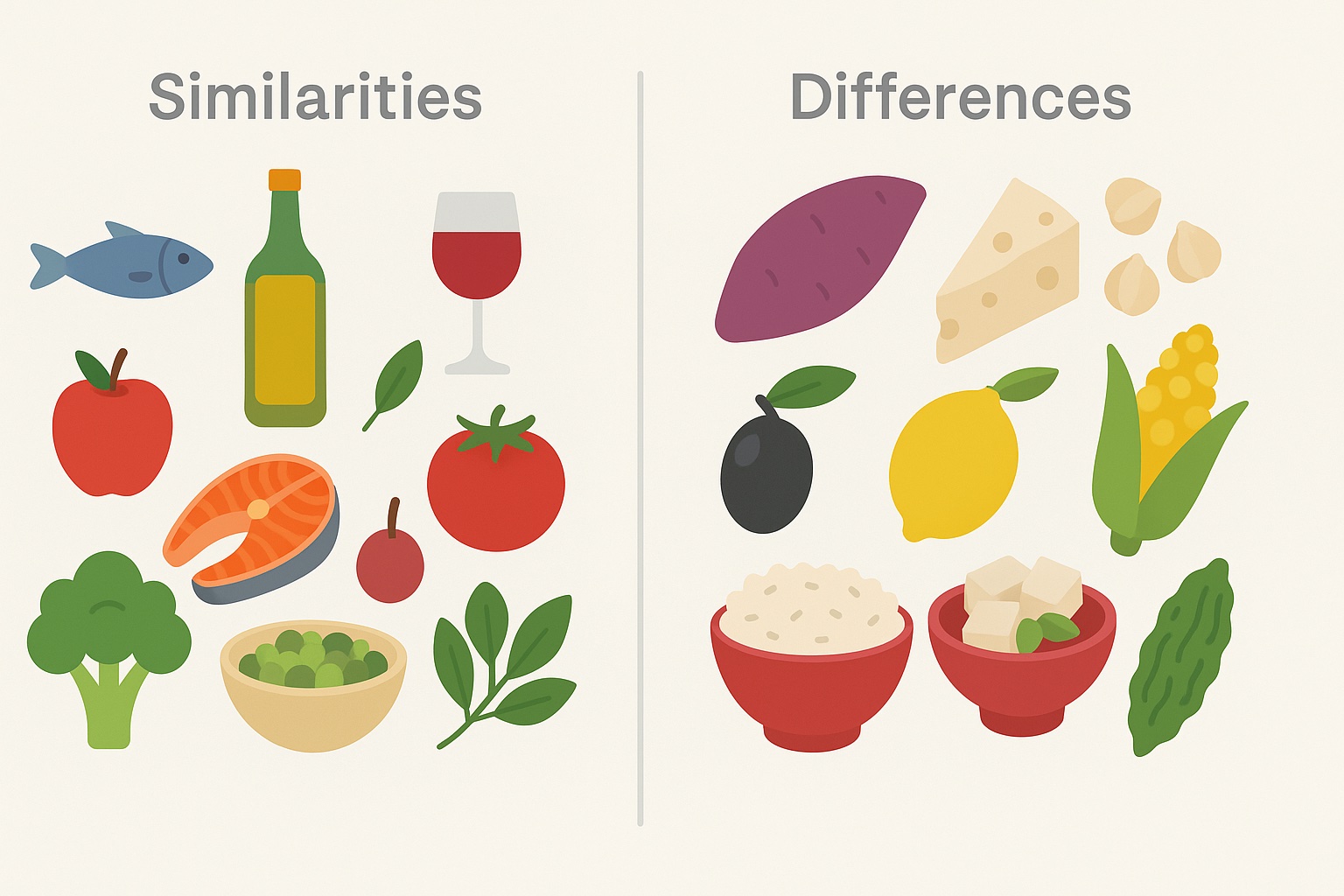
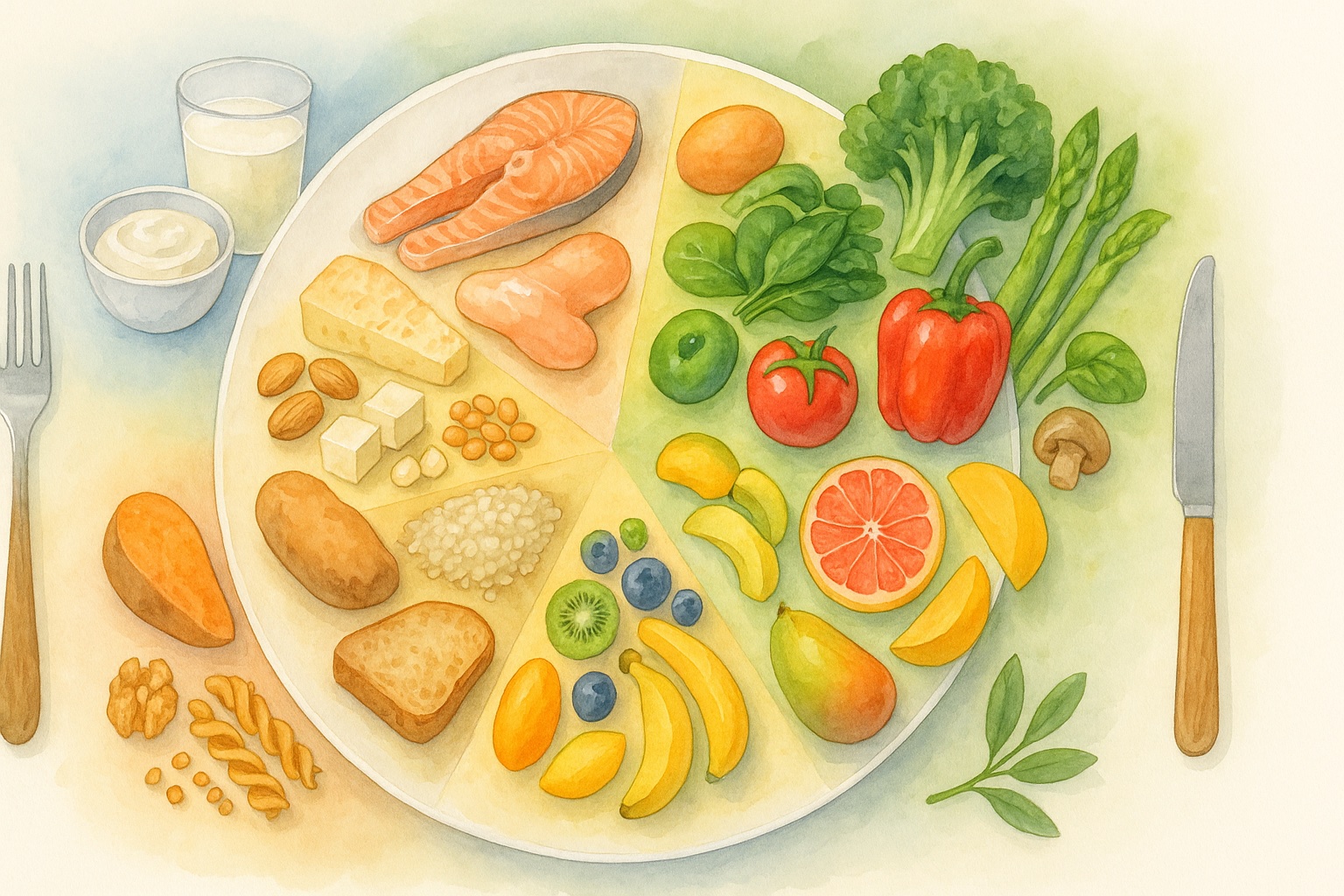
A longevity diet is a pattern of eating that has been linked to a longer lifespan and a lower risk of chronic illness. It is not about restriction or extreme measures; it is about eating in a way that supports your body over the long term. These diets prioritize nutrient-dense foods, anti-inflammatory ingredients, and sustainable habits. Common themes include high intake of vegetables, legumes, whole grains, healthy fats, and moderate amounts of animal protein.
Why It Matters
- Promotes healthy aging and vitality
- Supports heart, brain, and immune health
- Reduces risk of chronic diseases like diabetes, cancer, and dementia
- Encourages natural weight management and improved digestion
People in regions known for high longevity often follow these patterns not as a trend, but as a way of life. Let us explore the most well-known longevity diets around the world and what we can learn from each.
1. Okinawa, Japan
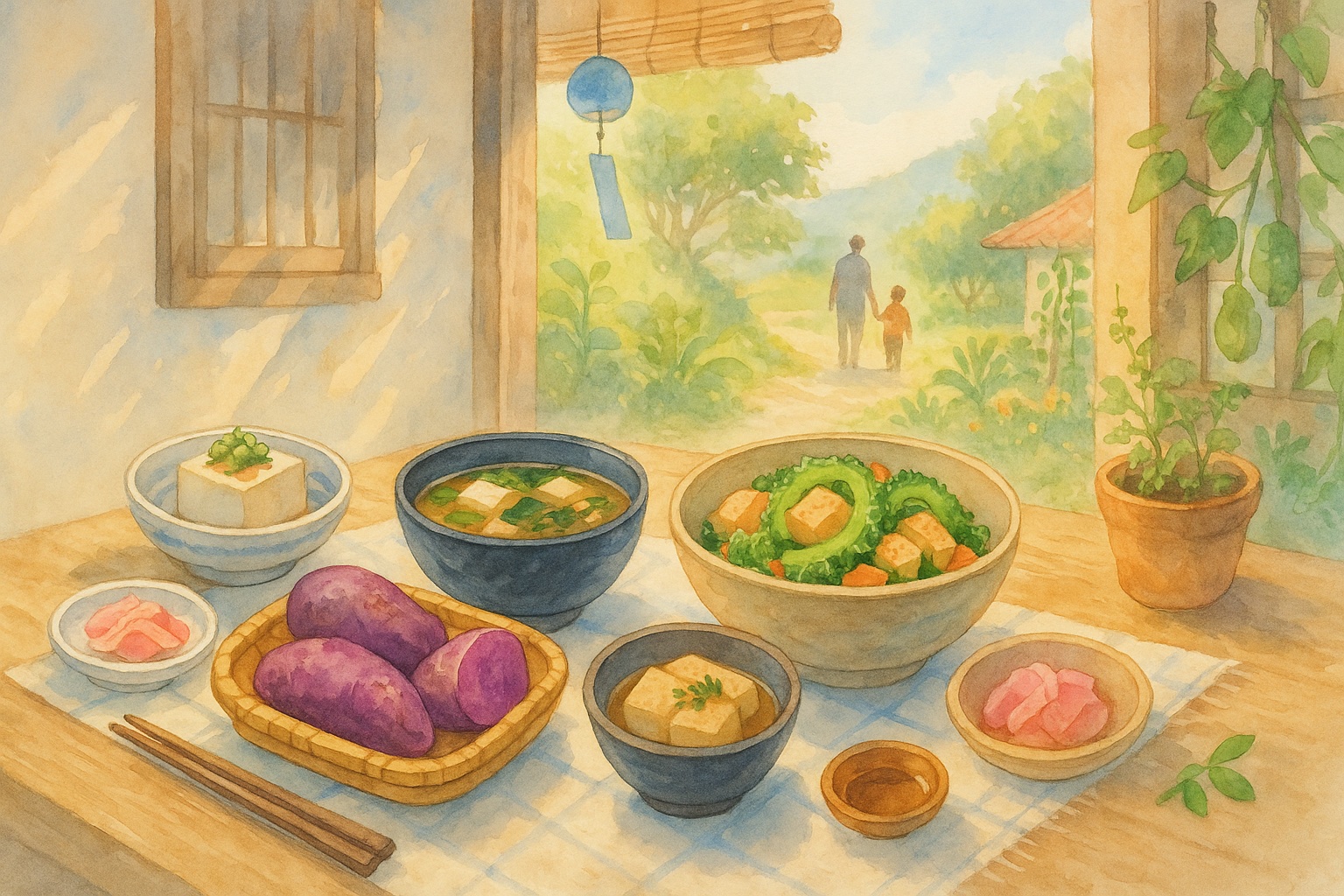
Located in the southernmost region of Japan, Okinawa is home to some of the longest-living people in the world, with an exceptionally high number of centenarians. One key contributor to their longevity is their traditional diet, which is deeply rooted in plant-based nutrition and local agriculture. Sweet potatoes serve as a dietary cornerstone, providing complex carbohydrates, fiber, and antioxidants. Unlike other parts of Japan, Okinawans traditionally consumed very little white rice, substituting it with these vibrant purple tubers.
Their meals also include a variety of dark leafy greens, such as komatsuna (Japanese mustard spinach) and goya (bitter melon), which are rich in vitamins and support metabolic health. Tofu and other soy-based foods provide lean protein, while miso and seaweed contribute to gut health through fermentation and mineral content. Small amounts of fish are included a few times a week, providing omega-3 fatty acids that benefit heart and brain health.
A unique aspect of Okinawan culture is the concept of "hara hachi bu," or eating until you are 80% full. This mindful approach to eating reduces calorie intake and prevents overeating, helping to maintain a healthy weight over a lifetime. Meals are often served in smaller bowls and plates, emphasizing quality and variety over quantity. A typical Okinawan meal might include steamed purple sweet potatoes, a bowl of miso soup with tofu and seaweed, lightly sautéed bitter melon, and a side of pickled vegetables. Meals are usually low in calories but rich in micronutrients, with colorful presentations that highlight the natural flavors of whole foods.
Beyond food, Okinawan longevity is also supported by daily movement, strong social bonds, and a deep sense of purpose known as "ikigai." Gardening, walking, and practicing traditional crafts help keep people physically active and mentally engaged well into old age.
Their low rates of cancer, heart disease, and dementia are a testament to the combined power of nutrient-rich food, moderation, and a community-focused lifestyle.
2. Mediterranean Region
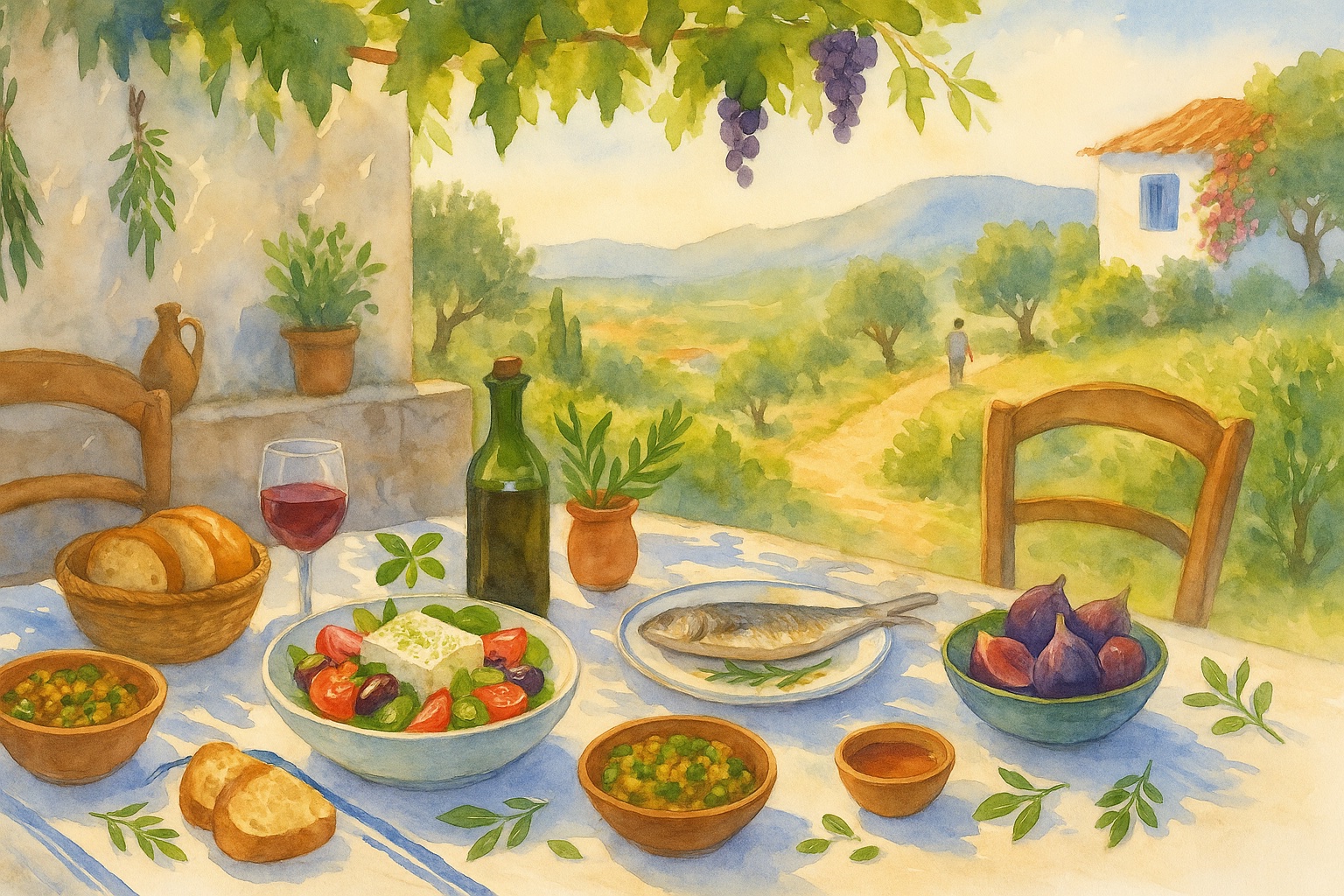
Spanning across countries like Italy, Greece, Spain, and southern France, the Mediterranean region is often praised for its delicious cuisine and its link to long life. The traditional Mediterranean diet is rich in fruits, vegetables, whole grains, nuts, legumes, and extra virgin olive oil. A typical Mediterranean meal might include a colorful Greek salad with tomatoes, cucumbers, olives, and feta cheese, accompanied by grilled fish drizzled with olive oil, a side of whole-grain farro or lentils, and a piece of seasonal fruit for dessert. Meals are often seasoned with fresh herbs like basil and oregano, which not only enhance flavor but offer antioxidant benefits. Fish and seafood are favored over red meat, and meals are often accompanied by a moderate glass of red wine, usually enjoyed socially.
Olive oil is a cornerstone of this diet and provides healthy monounsaturated fats that support heart health and reduce inflammation. Tomatoes, garlic, onions, eggplant, and leafy greens are commonly used in daily meals, delivering a range of vitamins, minerals, and antioxidants. Legumes like lentils and chickpeas add fiber and plant-based protein, while herbs like oregano and rosemary offer anti-inflammatory properties.
Seafood such as sardines, anchovies, and mackerel is consumed regularly, supplying omega-3 fatty acids that support brain health and reduce the risk of cardiovascular disease. Yogurt and cheese, typically made from sheep or goat's milk, are included in moderation and provide probiotics and calcium.
Equally important is the Mediterranean approach to eating. Meals are shared with family and friends, eaten slowly, and celebrated, which contributes to lower stress levels and better digestion. This lifestyle is complemented by frequent walking, gardening, and community engagement.
Numerous studies have linked the Mediterranean diet to reduced risks of heart disease, stroke, cancer, and cognitive decline. The combination of nutrient-dense food, physical activity, and strong social connections supports not just longevity but a joyful, active life well into old age.
3. Ikaria, Greece
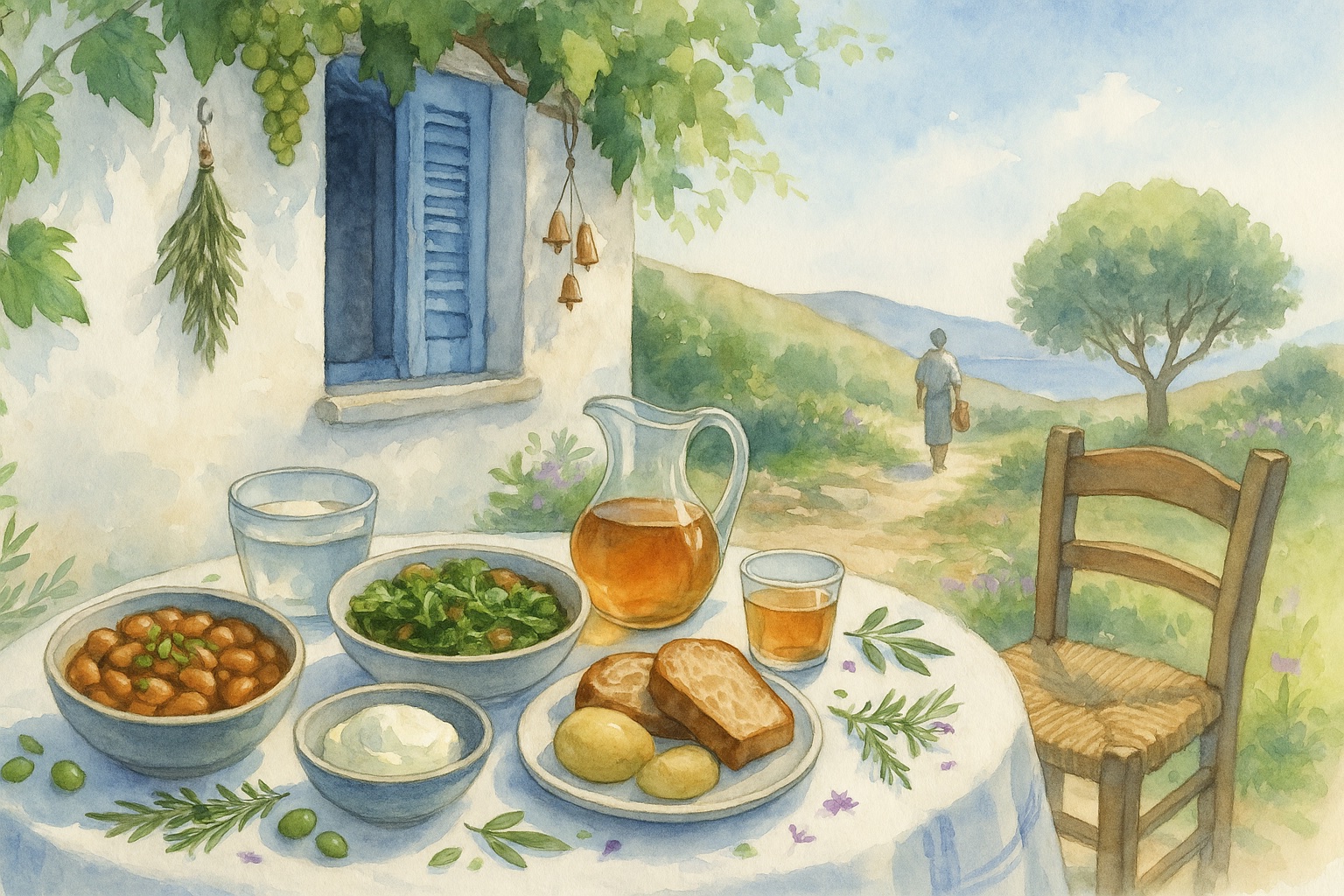
Nestled in the Aegean Sea, the Greek island of Ikaria is often called "the island where people forget to die." With a population boasting some of the highest longevity rates in the world, Ikaria offers powerful insight into how food and lifestyle contribute to healthy aging.
The Ikarian diet resembles the Mediterranean pattern but includes more wild, seasonal greens and herbs with medicinal properties. Locals consume a variety of leafy greens, such as dandelion greens, chicory, fennel tops, and purslane, some of which have more antioxidants than even spinach or kale. Legumes like chickpeas, black-eyed peas, and lentils are consumed frequently, providing steady energy and ample fiber.
Goat milk is a staple, often fermented into yogurt or cheese. It is easier to digest than cow's milk and offers beneficial probiotics. Potatoes, whole grains, and homemade sourdough bread contribute to satiety and gut health. Olive oil, a key source of healthy fats, is used liberally for cooking and flavor.
Herbal teas made from oregano, sage, rosemary, and chamomile are sipped daily. These herbs are known for their anti-inflammatory, antimicrobial, and antioxidant effects. They also support relaxation and better sleep.
Beyond nutrition, the Ikarian lifestyle is centered around community, daily movement, and low stress. People here garden, walk, and cook at home, maintaining physical activity without structured exercise. Social bonds are strong. Meals are leisurely and enjoyed with loved ones.
Ikarians also observe traditional fasting days, often limiting meat and dairy intake. Afternoon naps are common, helping to regulate cortisol and support cardiovascular health. These cultural habits, combined with their nutrient-rich diet, help explain Ikaria's exceptionally low rates of heart disease, dementia, and depression.
4. Nicoya Peninsula, Costa Rica
Located in northwestern Costa Rica, the Nicoya Peninsula is one of the five original Blue Zones, regions identified for having the highest concentrations of centenarians. What sets Nicoya apart is its simple yet nutrient-dense diet, which is rooted in agricultural tradition and local ingredients.
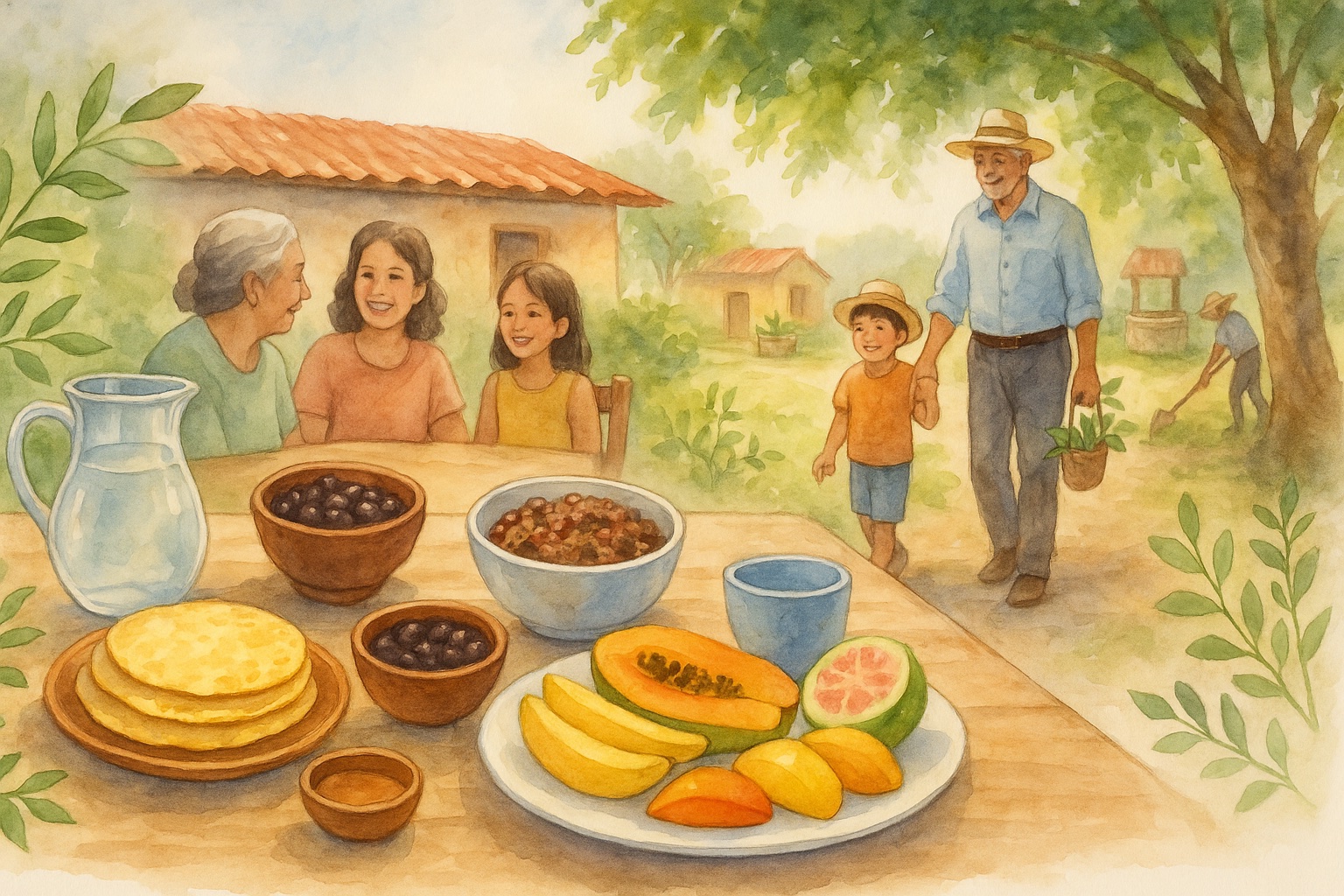
The traditional Nicoyan diet is centered around the "three sisters": corn, beans, and squash. Corn is typically made into tortillas or consumed as tamal (steamed cornmeal), providing complex carbohydrates and fiber. Black beans are a daily staple, rich in plant protein, fiber, and essential minerals like magnesium and iron. Squash adds vitamin A and antioxidants to the plate.
Fruits like papayas, bananas, mangoes, and guavas are widely consumed, offering a powerful punch of vitamin C, fiber, and hydration. Plantains are often boiled or baked, contributing resistant starch that supports gut health. Nicoyans also consume lean animal proteins in moderation, such as eggs and small amounts of pork or chicken.
Meals are typically home-cooked and enjoyed in a relaxed setting. Common dishes include gallo pinto (a mix of rice and beans), tortillas with eggs, and fresh fruits like papaya and banana. Meals are usually eaten with family, reinforcing strong social bonds. Many Nicoyans begin their day with a hearty breakfast, often eaten outdoors or near the garden, promoting connection with nature and an unrushed pace of life. One notable habit is their daily meal schedule: a large, hearty breakfast, moderate lunch, and a small, light dinner. This eating pattern supports digestion and mirrors the body's natural energy rhythms.
Hydration is another key. Nicoyans drink water rich in calcium and magnesium, sourced from their naturally mineralized wells. These minerals play a role in maintaining bone strength and muscle function.
Just as important as diet are lifestyle factors. Nicoyans stay active by walking, farming, and tending to their homes. Family ties are strong, and elders are respected and integrated into daily life. A strong sense of purpose, or "plan de vida," gives structure and meaning to their days.
Altogether, the Nicoyan way of life nourishes both body and soul, supporting vibrant health well into the 90s and beyond.

5. Loma Linda, California (USA)
Loma Linda, a city in Southern California, is home to a large population of Seventh-day Adventists — a faith-based community known for its exceptional longevity and health outcomes. Their diet and lifestyle have made them a focal point of scientific research into healthy aging.
The Adventist diet is predominantly vegetarian or vegan. It includes whole grains such as oats, brown rice, and whole wheat; legumes like lentils and black beans; an abundance of fresh fruits and vegetables; and a variety of nuts and seeds. Almonds, in particular, are popular and known for their heart-protective fats.
Many Adventists avoid processed foods, refined sugars, and caffeinated beverages. Water is the beverage of choice, and they follow principles of moderation in all things. Dairy, if consumed, is typically from plant-based alternatives or used sparingly. Whole, plant-based foods dominate their meals, supporting a healthy weight, lower blood pressure, and reduced risk of chronic diseases.
Their dietary habits are often paired with Sabbath rest, a weekly 24-hour period of spiritual renewal, which reduces stress and strengthens community bonds. This regular pause from work and screen time allows Adventists to reconnect with nature, reflect spiritually, and spend uninterrupted time with loved ones. The reduced exposure to daily stressors helps lower cortisol levels, improve sleep quality, and enhance emotional resilience. In turn, this rhythm of rest and reflection supports both mental clarity and physical well-being over the long term. Regular exercise, often in the form of walking, gardening, or cycling, is a daily habit. The community also places strong emphasis on faith, volunteerism, and maintaining a positive outlook, which are factors linked to reduced inflammation and better mental health.
Studies have shown that Adventists in Loma Linda have significantly lower rates of heart disease, cancer, and diabetes. They also have a higher-than-average lifespan, often living 10 years longer than the general U.S. population.
Their commitment to clean eating, regular activity, spiritual practice, and strong social ties provides a holistic blueprint for living a longer, healthier life in a modern, urban setting.
6. Sardinia, Italy
Sardinia, an Italian island in the Mediterranean Sea, is renowned not only for its stunning landscapes but also for being one of the original Blue Zones. Sardinian men, in particular, enjoy some of the highest life expectancies in the world. Their longevity is rooted in a diet steeped in tradition, seasonal ingredients, and a strong culture of community.
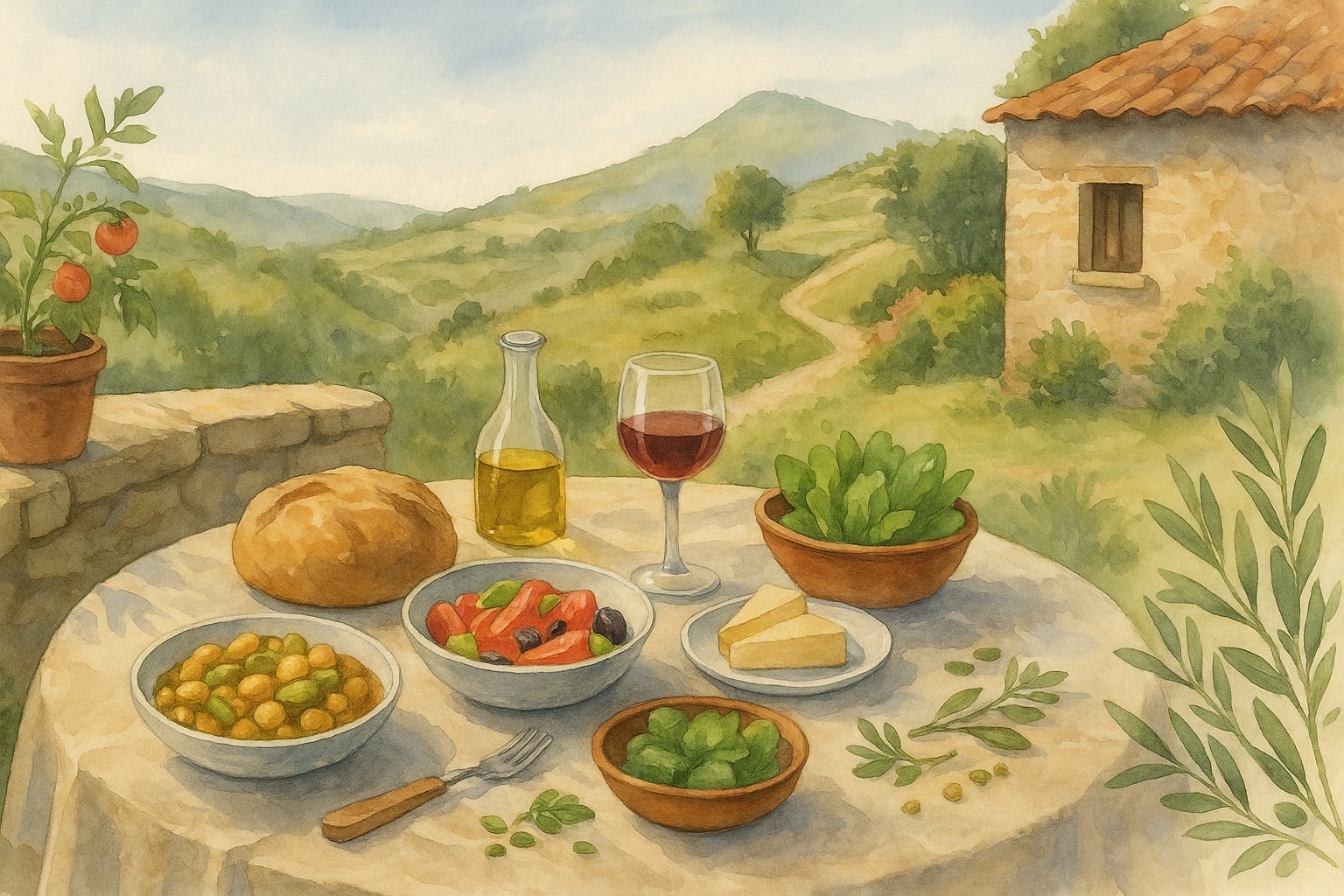
The Sardinian diet is predominantly plant-based, featuring plenty of beans, especially fava beans and chickpeas, alongside whole grains like barley and durum wheat. Traditional sourdough bread, made without preservatives, offers probiotics and fiber. Locally grown vegetables such as tomatoes, artichokes, and leafy greens are consumed daily.
Dairy is present in the form of sheep or goat cheese, such as pecorino, which is rich in healthy fats and conjugated linoleic acid (CLA), known to support heart health. Olive oil is used generously, and red wine, particularly the antioxidant-rich Cannonau, is sipped in moderation, often during communal meals.
Meat is consumed infrequently, usually reserved for Sundays or special celebrations. When it is eaten, it is typically lean and locally raised. The island's physical geography promotes natural movement, and residents often walk long distances over hilly terrain as part of their daily routine.
Social connection plays a central role in Sardinian life. Family and community bonds are strong, and elders are revered and actively engaged in family decisions and traditions. Meals are slow, social, and filled with laughter, which provides emotional nourishment alongside physical sustenance.
Together, the nutrient-rich food, regular movement, close-knit relationships, and a relaxed pace of life help Sardinians enjoy not just long lives, but vibrant, fulfilling ones well into old age.
Longevity Is Not Just About Living Long — It Is About Living Well
From Okinawa to Ikaria, one truth is clear: what we eat has the power to shape our future. But longevity is not just about adding years to life — it is about adding life to years. The cultures that live longest focus on whole, nourishing foods, community, and mindfulness in eating. We can take inspiration from these traditions by making daily choices that support energy, resilience, and well-being.
So as you plan your next meal, ask yourself: is this fueling me for a long, vibrant life? Because healthspan, not just lifespan, is the goal worth striving for.
References: Buettner, D. (2023). The Blue Zones Secrets for Living Longer: Lessons From the Healthiest Places on Earth. National Geographic; Willcox, D. C., Willcox, B. J., & Suzuki, M. (2006). The Okinawa Program: How the World's Longest-Lived People Achieve Everlasting Health. Clarkson Potter; Estruch et al. (2018) — Mediterranean diet and cardiovascular prevention; Rosero-Bixby & Dow (2009) — Mortality and health gradients in Costa Rica; Trichopoulou et al. (2003) — Mediterranean diet and survival in Greece; Poulain, Pes & Grasland (2011) — Longevity of the Sardinian population
Note: The information provided should not replace professional medical advice.