Minecraft and the Magic of Cube-Shaped Cooking: A Tasty Take on Food Science
Chopping food into cubes is not just a Minecraft aesthetic — it speeds cooking, boosts flavor absorption, and makes meal prep easier. Here is the science behind it.
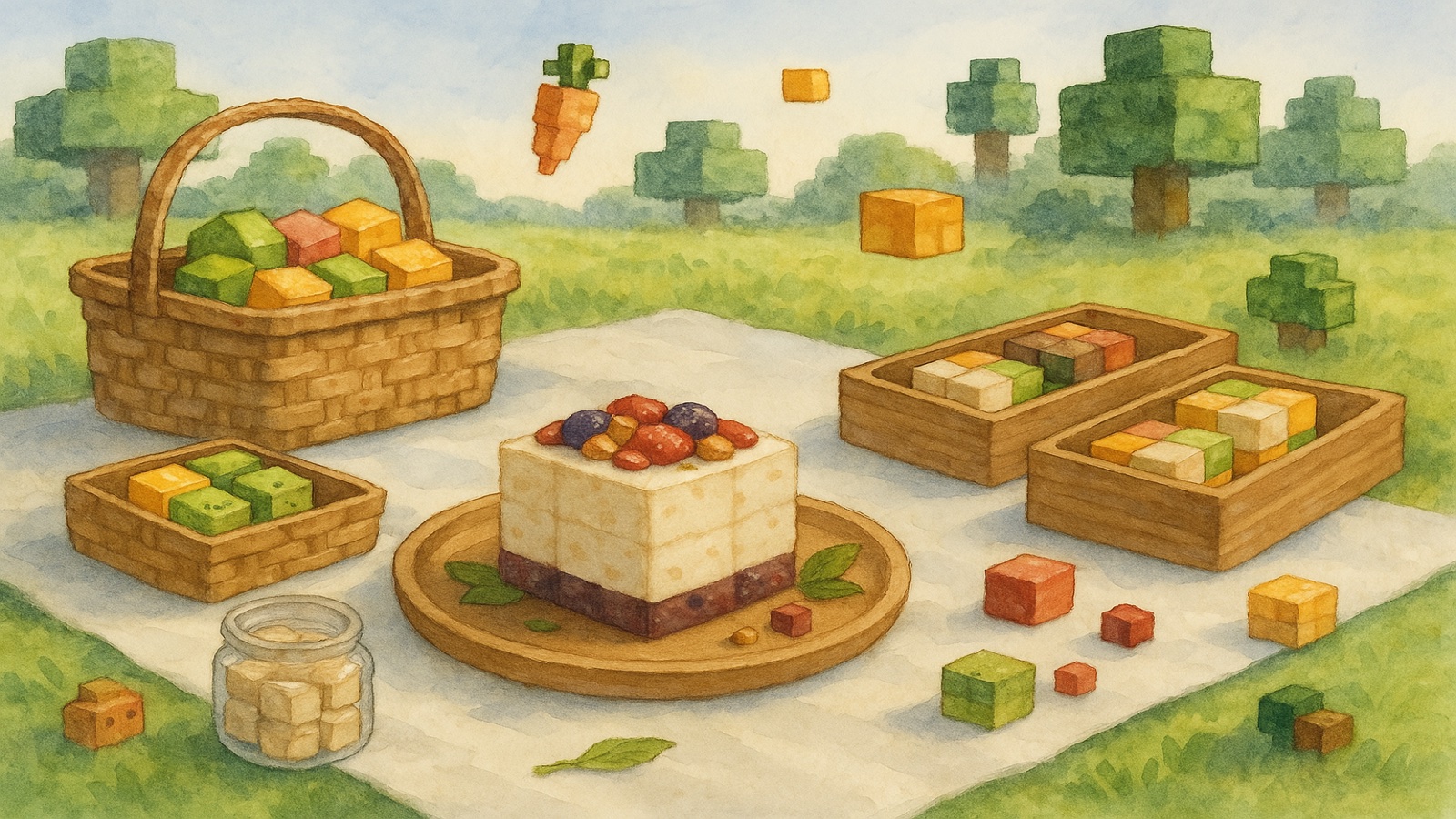
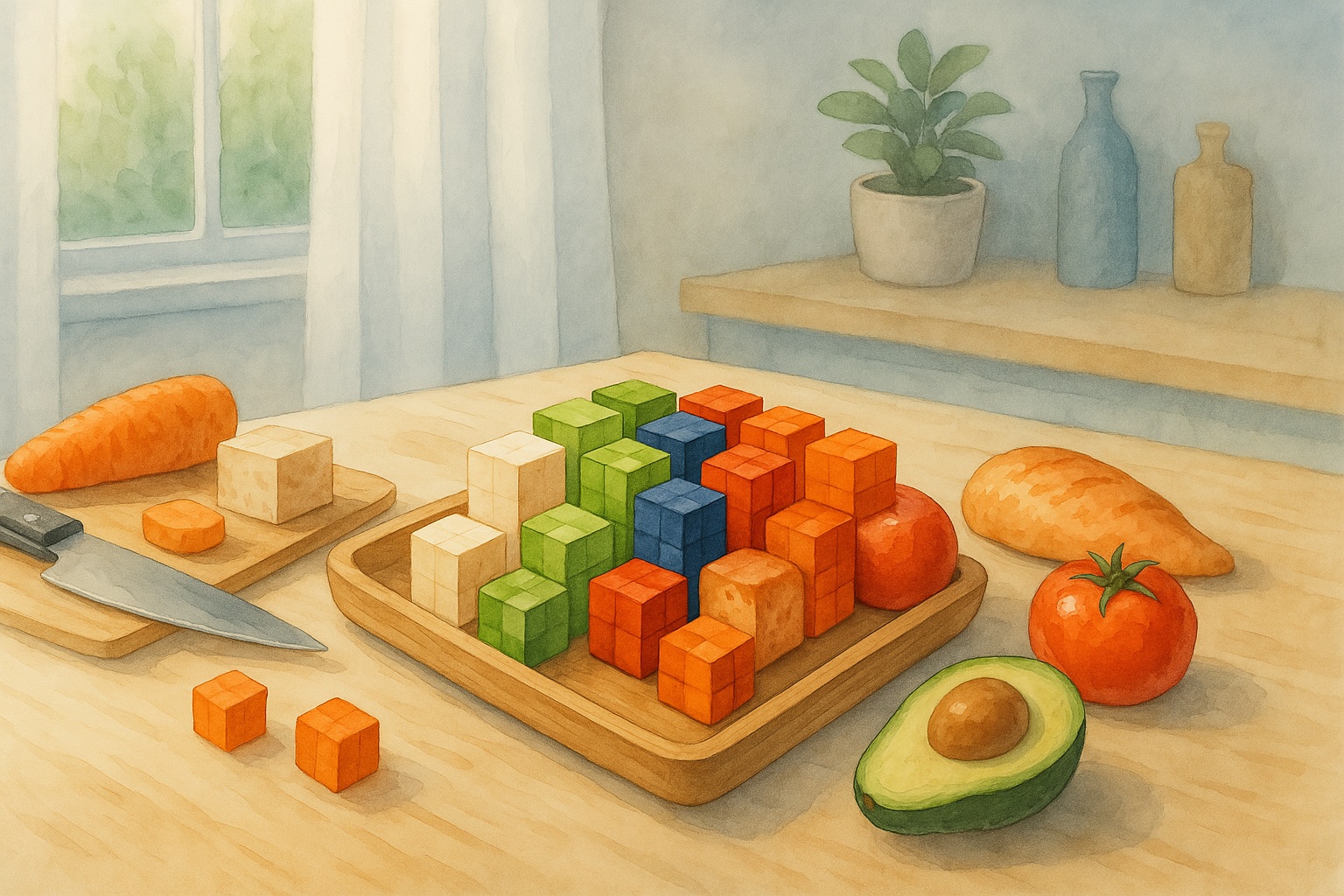
With the buzz surrounding the new Minecraft movie, pixelated blocks are back in the spotlight — and not just for gaming fans. But have you ever stopped to wonder: what if our food looked more like Minecraft too? What if there is actual science behind cube-shaped ingredients that makes them more than just visually fun?
As it turns out, chopping food into cubes is not just a quirky aesthetic or meal-prep trend — it is backed by culinary science, cooking efficiency, and even flavor chemistry. In this article, we will explore why cubed food matters, where we already use it in our daily lives, and how you can bring Minecraft-style inspiration to your kitchen.
Why Do We Cut Food Into Cubes? The Science Explained
Cutting food into cubes is more than a matter of symmetry — it is an intentional, practical strategy with roots in both traditional cooking and modern food science.
1. Faster Cooking Times
Cubes have a higher surface-area-to-volume ratio compared to whole or irregularly shaped pieces. This means heat penetrates faster, which reduces cooking time significantly. For example, cubed carrots can be roasted in half the time of whole ones. This is especially important for time-sensitive dishes or when batch-cooking multiple meals.
2. Even Cooking and Heat Distribution
Irregular pieces of food cook unevenly, leading to inconsistent textures. Uniform cube sizes help ensure each piece is exposed to heat in the same way, making your final dish more reliable and delicious. This is crucial in stir-fries, soups, and roasted dishes.
3. More Efficient Flavor Absorption
Cubes offer multiple flat surfaces for marinades and sauces to cling to. This is why cubed tofu or chicken absorbs more flavor than whole pieces — each side gets coated, and sauces soak into crevices more easily.
4. Easier to Handle, Serve, and Eat
Cubed foods are easy to portion, plate, and chew. This is especially beneficial in dishes served to children, the elderly, or anyone who might have difficulty with tougher textures.
5. Better for Storage and Meal Prep
Cubes stack neatly in containers, reducing air gaps and helping preserve freshness. In frozen food production, this uniformity ensures faster freezing and thawing, minimizing ice crystals that damage food texture.
6. Optimized for Machinery and Automation
Many commercial food processors and packaging machines are designed to work with uniform shapes. Cubes are easier to measure, move through systems, and portion automatically.
7. Visual Appeal and Presentation
Cubes give dishes a clean, modern aesthetic that appeals to both home cooks and chefs. In culinary arts, presentation is key — and cubed ingredients look balanced and intentional.
8. Consistent Nutritional Distribution
If you are tracking macros or planning portion-controlled meals, cubing helps ensure each bite contains a consistent mix of ingredients — especially in mixed bowls, stews, or casseroles.
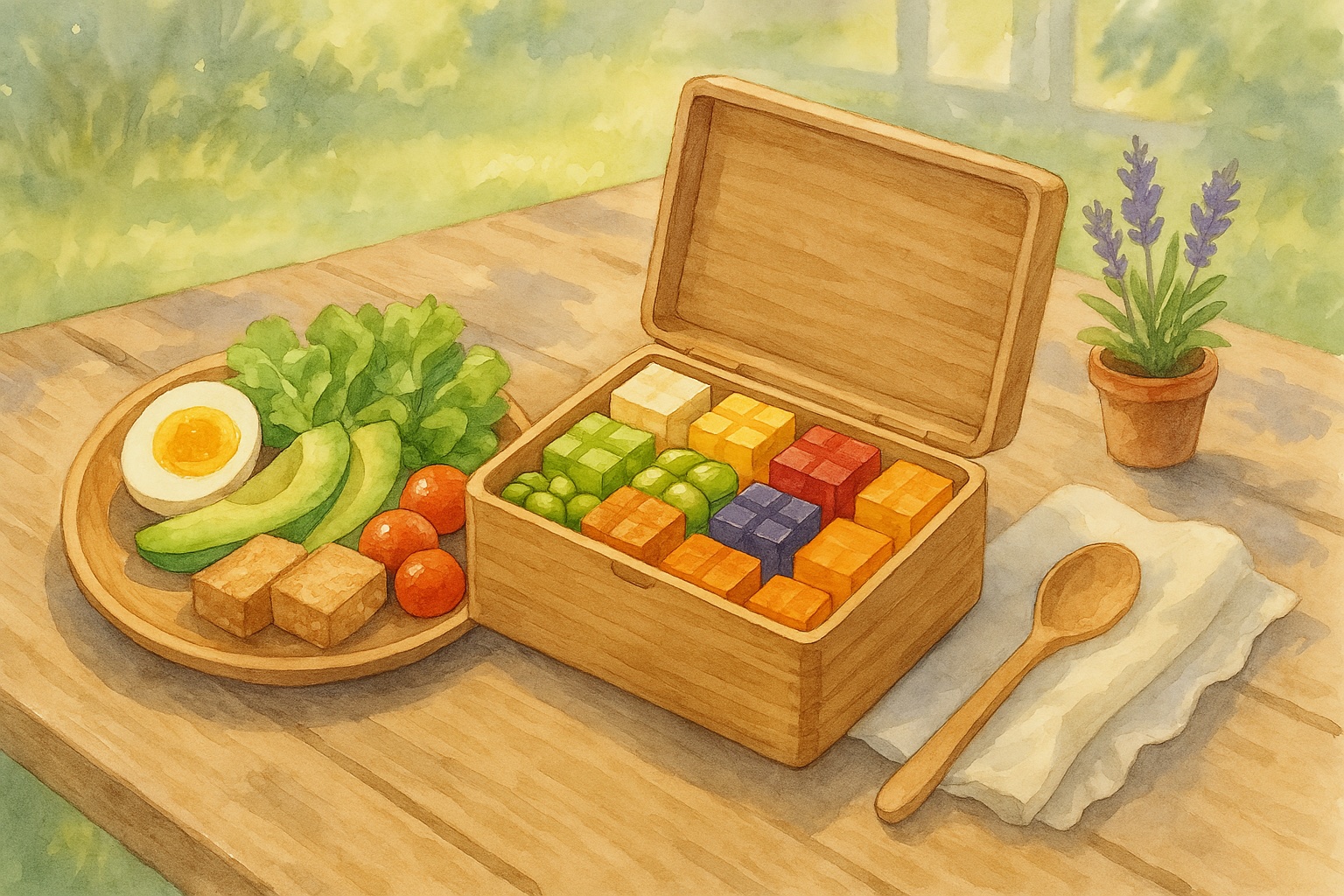
Common Cube-Shaped Foods You Already Love
From dinner tables to lunchboxes, cubes have quietly taken over our meals. Here are delicious examples of cube-shaped foods — and why they are cut this way:
1. Tofu
Cubed tofu allows for even browning and quicker flavor absorption. Smaller cubes also mean crispier edges when pan-fried or air-fried.
2. Cheese Cubes
Cheese cut into cubes is not only great for portioning, but it also melts more uniformly in cooked dishes like mac and cheese or grilled sandwiches.
3. Fruit Salad Cubes
Apples, melons, pineapples, and mangoes are often cut into cubes to keep a consistent texture and size, which helps with mixing and bite consistency.
4. Frozen Cubed Veggies
Vegetables like carrots, potatoes, and sweet potatoes are cubed before freezing. This allows for faster thawing, even heating in microwaves, and space-efficient packaging.
5. Croutons
Cut from stale or fresh bread into cubes, croutons retain their crunchiness and soak up soup or salad dressings without getting soggy too fast.
6. Cubed Bread for Stuffing
Holiday stuffings often use cubed bread to allow for even moisture distribution and crispy edges in baked casseroles.
7. Tempeh Cubes
This fermented soy product, like tofu, is often cubed to enhance surface crispness while keeping the inside chewy.
8. Cubed Jellies and Gelatin Snacks
Gelatin-based desserts are frequently sliced into cubes to make them easy to portion and handle.
9. Hash Browns and Home Fries
Unlike shredded varieties, cubed potatoes create golden crusts on all sides and are easier to stir-fry in breakfast skillets.
10. Cubed Pumpkin or Squash
Hard vegetables like butternut squash are cubed to soften uniformly and reduce roasting time.
11. Meat Cubes for Kebabs or Skewers
Cubes of chicken, beef, or lamb ensure even grilling and make skewering simple.
12. Chocolate Fudge Cubes
Dessert trays often feature cube-cut fudge or brownies for neat presentation and portion control.
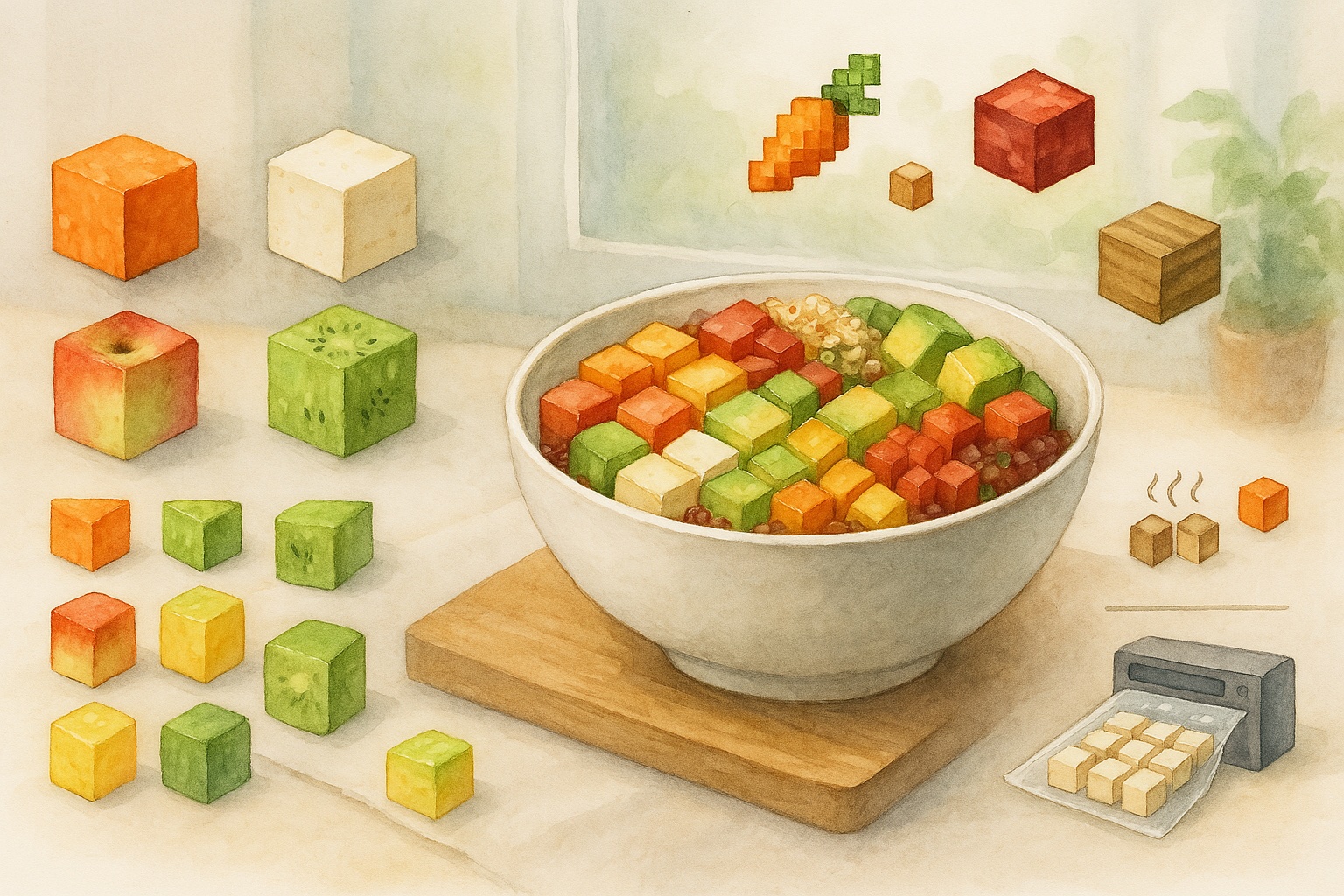
Minecraft-Inspired Dishes That Work in Real Life
Looking at your meal like a block-based building project can lead to some fun and tasty results. Even if you have never touched a game controller, cube-shaped food is everywhere:
1. Cubed Tofu Stir-Fry
Crispy on the outside, tender inside — uniform tofu cubes give each bite a balance of texture and flavor. Coat them in cornstarch before pan-frying for extra crunch.
2. Beetroot Cubes in Salad
Diced roasted beets pair well with goat cheese and arugula. The cube shape prevents them from dominating the salad and allows them to mingle evenly with other ingredients.
3. Cubed Celery in Broth-Based Soups
Celery cubes release just enough flavor to enhance soups while blending seamlessly into each spoonful.
4. Potato Breakfast Bowls
Golden brown cubed potatoes tossed with paprika, garlic, and herbs make a hearty foundation for scrambled eggs or avocado.
5. Cubed Paneer in Indian Curries
This Indian cheese holds its shape beautifully when cubed and added to spicy tomato gravies like paneer tikka masala.
6. Cubed Zucchini for Ratatouille
Cubing zucchini, eggplant, and bell peppers gives ratatouille its iconic texture while ensuring even cooking.
7. Cubed Apples in Muffins or Pies
Chopped apple cubes distribute evenly in batter, leading to bites of soft, sweet fruit in each muffin or slice.
8. Cubed Watermelon with Feta
Watermelon cubes tossed with feta and mint create a refreshing, visually satisfying summer salad.
9. Cubed Tempeh Stir-Fry
A protein-rich vegan dish where cube shapes ensure crisp edges and hold up to thick sauces.
10. Cubed Cheese on Skewers
Perfect for party trays, cubed cheese paired with grapes or olives delivers bite-size bursts of flavor.
11. Cubed Sweet Potatoes for Tacos
Roasted sweet potato cubes work great in tacos or burrito bowls and cook faster than slices.
12. Cubed Avocado for Sushi Bowls
Cubes of ripe avocado hold their shape better than slices and blend well with rice, seaweed, and fish.
13. Cubed Mango in Salsa
Diced mango cubes offer the perfect balance of sweetness and structure in fruit salsas served with fish or chips.
Build Your Own Minecraft Plate
Thinking of food like Minecraft blocks opens up creative possibilities in your kitchen. Next time you are prepping meals, try going cube-mode: challenge yourself to cut ingredients into small, uniform cubes and see how they affect cooking time and flavor. You might discover that it is not just fun — it is functional too.
Isn't it wild how something as playful as Minecraft can lead us into the science of everyday cooking? Now it is your turn — what healthy, tasty Minecraft food will you create next?
References: McGee, Harold. On Food and Cooking: The Science and Lore of the Kitchen. Scribner, 2004; Potter, Jeff. Cooking for Geeks: Real Science, Great Hacks, and Good Food. O'Reilly Media, 2010; Institute of Food Technologists — "Why Size and Shape Matter in Cooking"; USDA Food Safety and Inspection Service — "Freezing and Food Safety"; Journal of Food Science
Note: The information provided should not replace professional medical advice.