Resistant Starch: What It Is and Why It's Trending
This carb acts more like fiber: what resistant starch is, its four types, how to make it at home, and why it may support gut and blood sugar health.
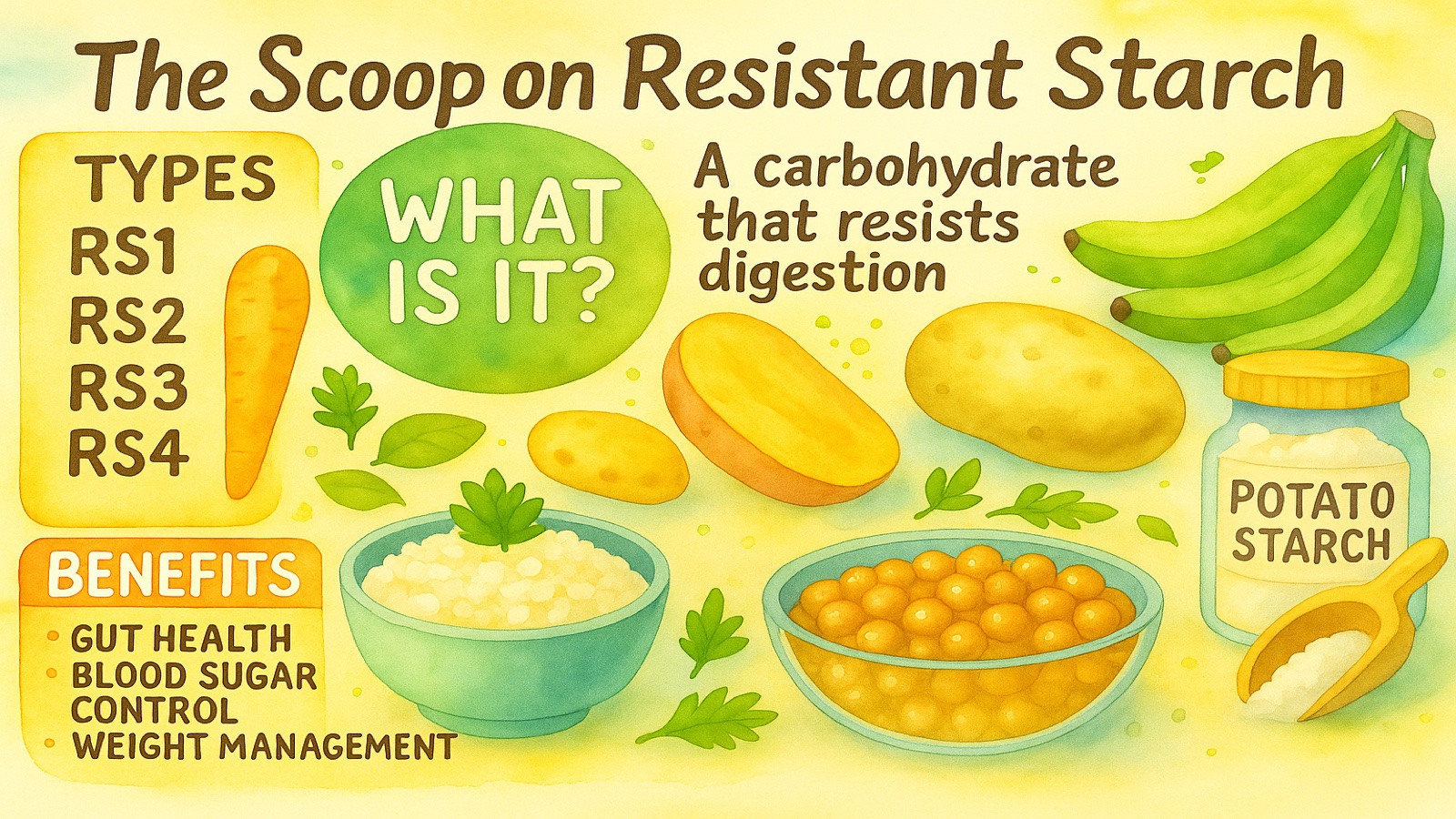
Ever heard of resistant starch (RS)? It has been gaining attention in nutrition circles, wellness communities, and even on social media. While carbs often get a bad rap, resistant starch flips the script by offering a surprising range of health benefits. But what exactly is it, and should you be adding more to your plate?
What Is Resistant Starch?
Resistant starch is a type of carbohydrate that resists digestion in the small intestine and reaches the colon intact. Instead of being broken down into glucose and absorbed quickly like other starches, resistant starch ferments in the large intestine, acting more like dietary fiber. This fermentation process feeds your gut's beneficial bacteria and produces short-chain fatty acids like butyrate, which has anti-inflammatory and metabolic benefits.
Types of Resistant Starch and Food Sources
There are four main types of resistant starch, each with different sources:
- RS1: Physically inaccessible starches found in seeds, whole or partially milled grains, and legumes.
- RS2: Naturally resistant granules found in raw potatoes, green bananas, and some legumes.
- RS3: Formed when starchy foods are cooked and then cooled such as cooked and chilled rice, pasta, and potatoes. This is called retrogradation.
- RS4: Chemically modified starches found in some processed foods and supplements.
How to Make Resistant Starch at Home
- Cook and cool rice, pasta, or potatoes: After cooking, let them cool in the fridge for at least 12 hours. The cooling process causes the starch molecules to realign and become resistant to digestion. You can reheat them gently without losing the resistant quality.
- Use underripe green bananas: Slice and freeze them for smoothies or add them to yogurt bowls. Their starch has not broken down into sugars yet, making them a rich RS2 source.
- Add legumes to salads and soups: Soak dried beans, cook them, and let them cool. Lentils, chickpeas, and kidney beans are great choices. The cooking and cooling form RS3.
- Try green banana flour or potato starch: These can be added raw to smoothies or yogurt. Potato starch, in particular, is rich in RS2. Just avoid heating it to preserve the resistant quality.
Benefits of Resistant Starch
Multiple studies support resistant starch's health-promoting effects:
- Gut Health: Resistant starch feeds probiotic bacteria and increases butyrate production, which supports colon health.
- Blood Sugar Regulation: Resistant starch can reduce the glycemic response of meals and may improve insulin sensitivity.
- Satiety and Weight Management: Resistant starch may increase fullness and reduce appetite by slowing digestion.
- Improved Digestive Regularity: Like fiber, resistant starch helps with regular bowel movements and may reduce bloating and constipation.
Are There Downsides?
While resistant starch has many perks, there are a few considerations:
- Initial gas and bloating: Introducing resistant starch too quickly can lead to digestive discomfort. Start small and increase gradually.
- Individual tolerance varies: Some people with IBS or SIBO may not tolerate resistant starch well due to fermentation-related symptoms.
How to Add Resistant Starch to Your Lifestyle
Here are easy and practical ways to get started:
- Swap hot starches for chilled versions: Potato salad, sushi rice, or pasta salad can be smarter carb choices.
- Add legumes to meals: Lentils, chickpeas, and beans are versatile sources, especially when chilled.
- Try green banana flour: Great in smoothies or gluten-free baking.
- Upgrade leftovers: Let your rice or potatoes cool, and reheat gently if you like.
Ready to Give It a Try?
Resistant starch is a well-researched way to support your gut, metabolism, and long-term wellness. Whether you are optimizing digestion, looking to balance blood sugar, or simply eating more whole foods, resistant starch is an easy and affordable upgrade to your daily meals.
References: DeMartino and Cockburn (2020) — Resistant starch and the gut microbiome; Behall et al. (2006) — Resistant starch and postprandial glucose/insulin; UCLA Health — Resistant starch overview
Note: The information provided should not replace professional medical advice.