Summer Heart Health: How to Eat and Sleep Well to Support Your Cardiovascular System
From watermelon and salmon to sleep timing and cool-room habits — 10 summer foods and daily practices that support your heart when the heat is on.
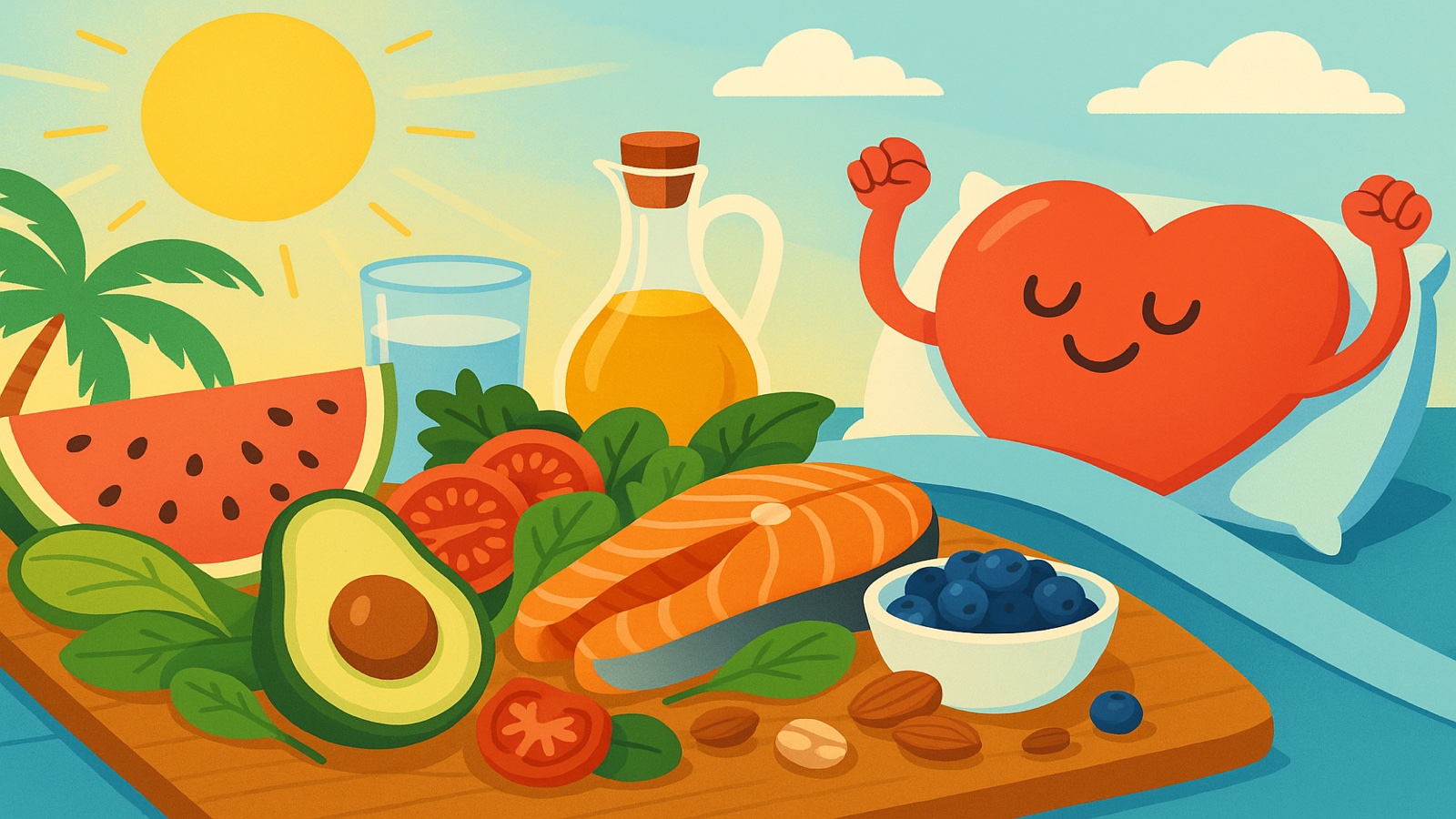
Summer brings sunshine and activity, but it also places added stress on the body, especially the cardiovascular system. Higher temperatures, longer daylight hours, and irregular sleep patterns can contribute to dehydration, blood pressure fluctuations, and increased fatigue. For those recovering from or hoping to prevent cardiovascular diseases, summer is a crucial time to care for your body.
Proper nutrition and sleep not only help the heart recover but also enhance overall vascular function, reduce inflammation, and regulate key health markers like cholesterol and blood pressure. Let's explore the foods and practices that can support your heart this summer.
Why Food and Sleep Matter in Summer for Your Heart
Your heart works harder when heat, dehydration, and disrupted routines stack up. Seasonal eating and sleep habits can either ease that load or make it worse — which is why both matter as much as exercise when temperatures climb.
Heart-Friendly Foods for the Summer Season
1. Watermelon
Hydrating and rich in the amino acid citrulline, watermelon helps relax blood vessels and supports better circulation. It is also packed with lycopene, an antioxidant that has been linked to lower risk of heart disease. Eating watermelon on hot days keeps the body hydrated and provides a natural source of potassium and magnesium, which are minerals vital for healthy heart function.
2. Tomatoes
Tomatoes are a summer staple and rich in lycopene and vitamin C. Lycopene helps reduce oxidative stress and inflammation in blood vessels, while vitamin C strengthens the vascular walls. Cooking tomatoes increases the bioavailability of lycopene, so enjoy them in sauces or grilled for maximum heart benefits.
3. Cucumbers
High in water content and low in calories, cucumbers are great for maintaining hydration. They contain potassium and anti-inflammatory flavonoids, helping reduce blood pressure and swelling. Add cucumber slices to salads or water for a refreshing, heart-supportive snack.
4. Leafy Greens (Spinach, Kale, Arugula)
Leafy greens are high in nitrates, which convert into nitric oxide and help blood vessels dilate. This improves blood flow and lowers blood pressure. They are also rich in vitamin K, crucial for arterial health. Summer salads or smoothies are an easy way to add greens to your routine.
5. Berries (Blueberries, Strawberries, Raspberries)
Berries are loaded with polyphenols and anthocyanins, compounds that reduce blood pressure and improve arterial flexibility. Their fiber content helps regulate cholesterol. Enjoy fresh berries in the morning with oats or as an afternoon snack.
6. Salmon
A great source of omega-3 fatty acids, salmon reduces triglycerides and lowers the risk of arrhythmias. Grilling salmon outdoors during summer provides a light but hearty meal that supports cardiovascular repair.
7. Avocados
Avocados offer healthy monounsaturated fats that improve cholesterol levels and reduce inflammation. They also contain potassium and magnesium, helping maintain normal heart rhythm and blood pressure. Try avocado toast or add to summer salads.
8. Nuts (Almonds, Walnuts)
These heart-healthy snacks are rich in omega-3s, magnesium, and vitamin E. They help maintain elasticity in blood vessels and lower LDL cholesterol. Eat a small handful as a snack or sprinkle over yogurt or vegetables.
9. Olive Oil
Extra virgin olive oil is the foundation of heart-healthy Mediterranean diets. It contains antioxidants and oleic acid, which reduce inflammation and protect against atherosclerosis. Use it as your main cooking oil or drizzle over veggies and salads.
10. Legumes (Lentils, Chickpeas, Beans)
Legumes are high in plant protein, fiber, and potassium. They help lower blood pressure, stabilize blood sugar, and improve cholesterol. In summer, toss them into cold salads or make a chilled bean dip.
Timing Matters: Sleep and Eating Rhythm
In summer, longer days and late-night activities can throw off our internal clocks. Disruptions to the circadian rhythm may increase the risk of cardiovascular strain. Here is how to align food and sleep habits for optimal heart health:
- Finish dinner 2–3 hours before bedtime to avoid glucose spikes that can affect overnight heart recovery.
- Avoid caffeine or heavy meals after 5 PM to support restful sleep and lower nighttime blood pressure.
- Get to bed by 10:30–11:00 PM when possible. Deep sleep in the early night helps regulate hormones and promote tissue repair.
- Avoid screen time 1 hour before sleep to help melatonin production and cardiovascular recovery.
- Sleep in a cool room (65–70°F) to reduce overnight heart rate and cortisol levels.
Daily Heart-Loving Practices to Remember
- Hydrate adequately, especially after sweating.
- Choose seasonal, whole foods over processed snacks.
- Take morning or evening walks to stay active without overheating.
- Limit alcohol and sugary beverages that tax the heart and liver.
- Wear breathable clothing to avoid thermal stress.
- Stretch gently before bed to support circulation.
- Practice gratitude or mindfulness, reducing emotional stress on the heart.
- Track your blood pressure regularly during the season.
- Invite family support for meal and sleep routines.
A Healthy Heart All Summer Long
Your heart beats tirelessly all year round. Give it the seasonal support it deserves. By mindfully selecting summer-friendly foods and syncing your lifestyle with your body's rhythms, you can make a meaningful difference in your cardiovascular well-being.
Take a step each day — one nourishing meal, one good night's sleep, one refreshing breath — and let your heart thank you.
References: Kris-Etherton et al. (2002) — Omega-3 fatty acids and cardiovascular disease; Sacks et al. (2001) — DASH diet and blood pressure; Schwingshackl et al. (2017) — Olive oil and metabolic health
Note: The information provided should not replace professional medical advice.