World Health Day 2025: Empowering Women's Health Through Nutrition and Wellness
From iron and folate to the MIND diet and gut health — practical, science-backed ways to support women's wellness on World Health Day and every day.
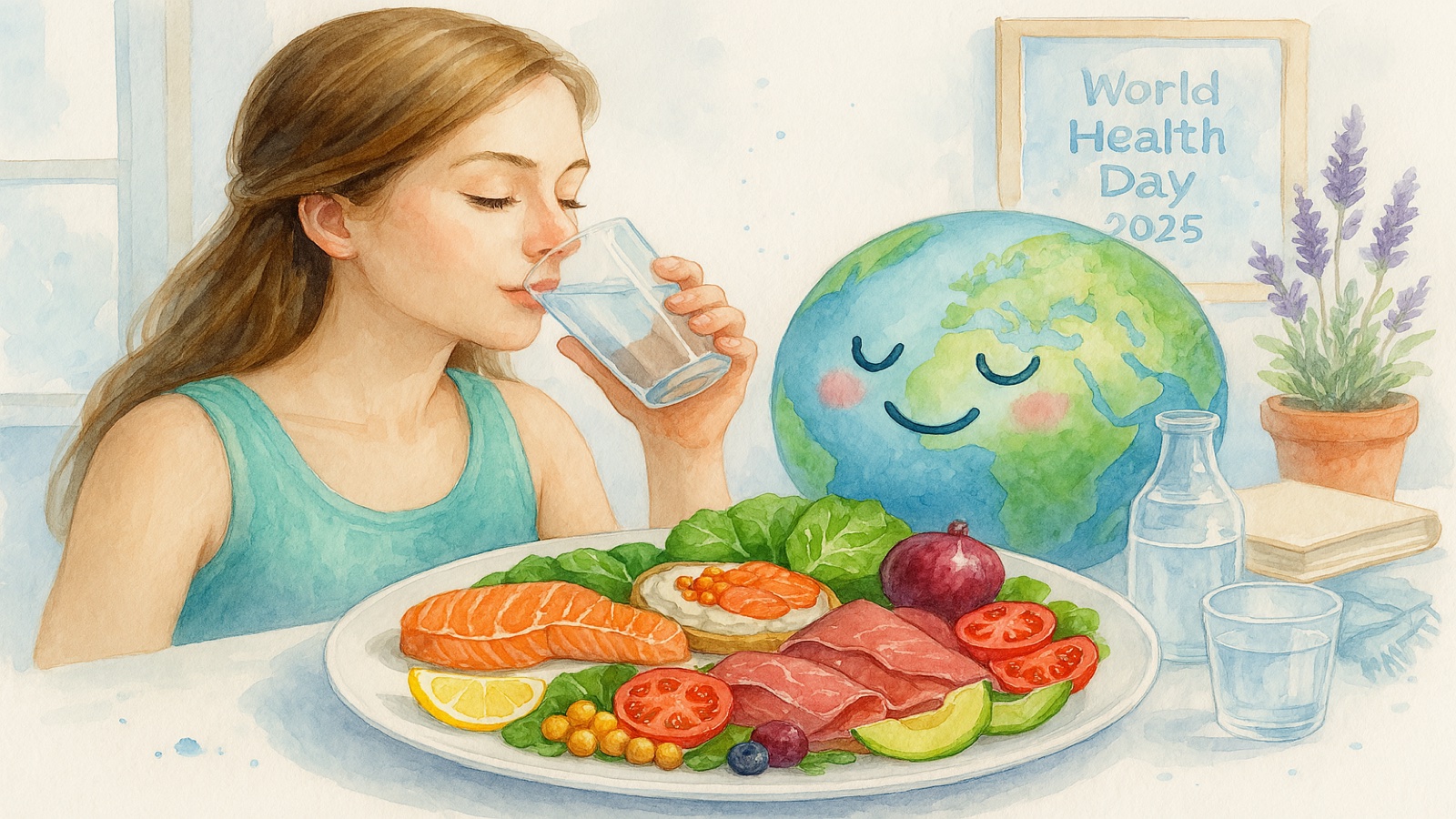
Have you heard about World Health Day? It is not just another date on the calendar. Every year on April 7, this global event shines a spotlight on a key health priority. In 2025, we turn our attention to something deeply personal and universally important: maternal and newborn health. The theme, "Healthy beginnings, hopeful futures," is more than a slogan — it is a call to action. A reminder that women's health, from pregnancy to beyond, is foundational to the well-being of families and communities everywhere.
As someone who has studied science and witnessed the real-world stories behind these statistics, I can tell you this: meaningful change often starts at the individual level. What we eat, how we move, how we sleep, and how we support each other — these things matter. This guide is not just information; it is about connection. Let's explore practical ways we can support women's health together.
1. Nourishing Your Body: Smart Food Choices for Women
Let's start with the basics — food. Nutrition is not just fuel; it is chemistry, biology, and even emotion. For women, dietary needs shift with hormonal changes, life stages, and activity levels. When nutrition is neglected, it shows up in energy dips, poor immunity, mood swings, and even long-term risks like osteoporosis or heart disease.
Key Nutrients for Women
- Iron: Needed for energy and oxygen flow, especially during menstruation. Find it in lentils, lean meats, and leafy greens.
- Calcium and Vitamin D: Critical for bones — more so after 30. Go for dairy, greens, and sunlight.
- Folate: Essential for fetal development and reproductive health. Beans, citrus, and fortified cereals are your friends.
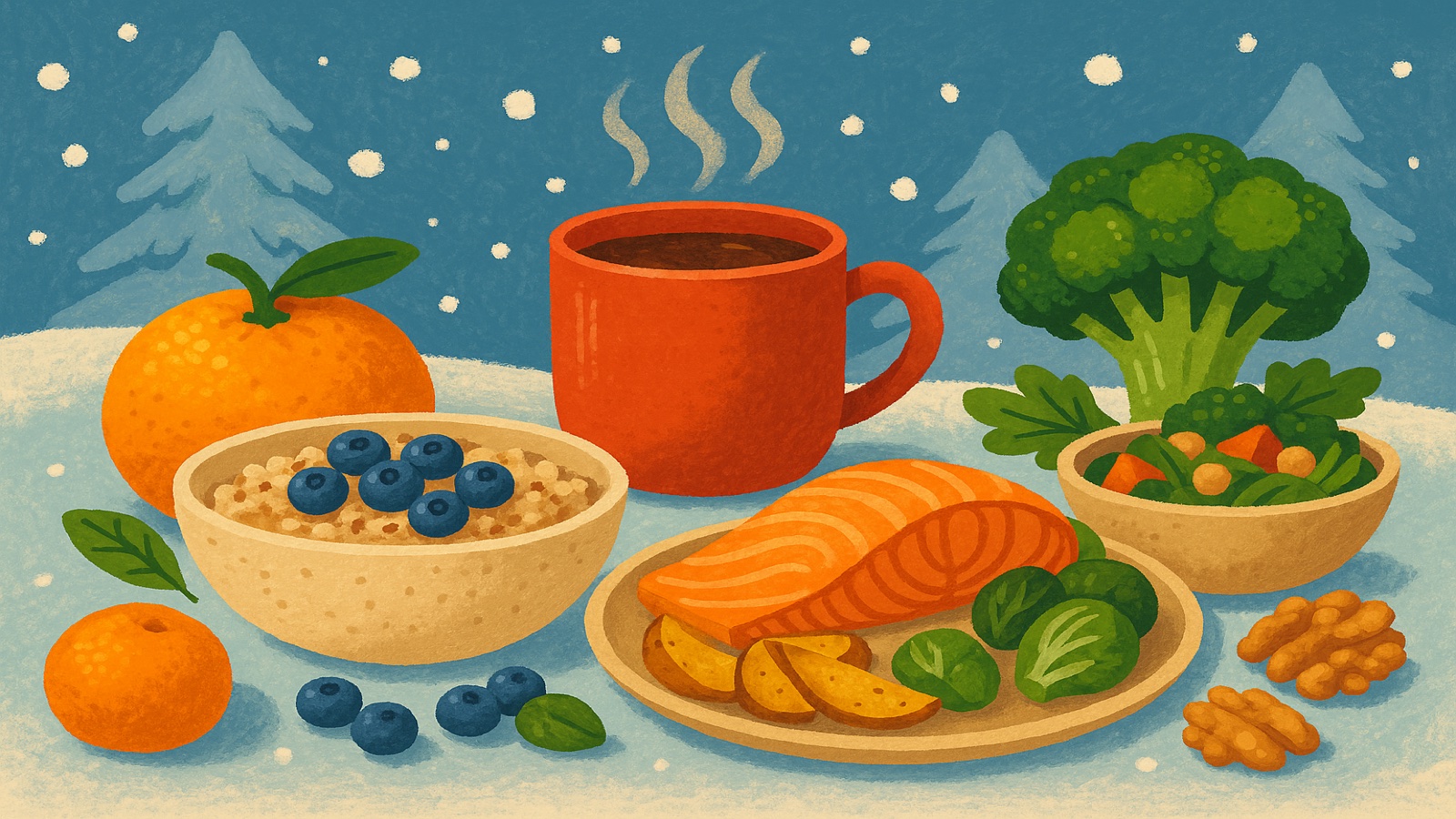
- Omega-3s: Powerful anti-inflammatory fats found in salmon, walnuts, and flaxseed. Great for heart and brain health.
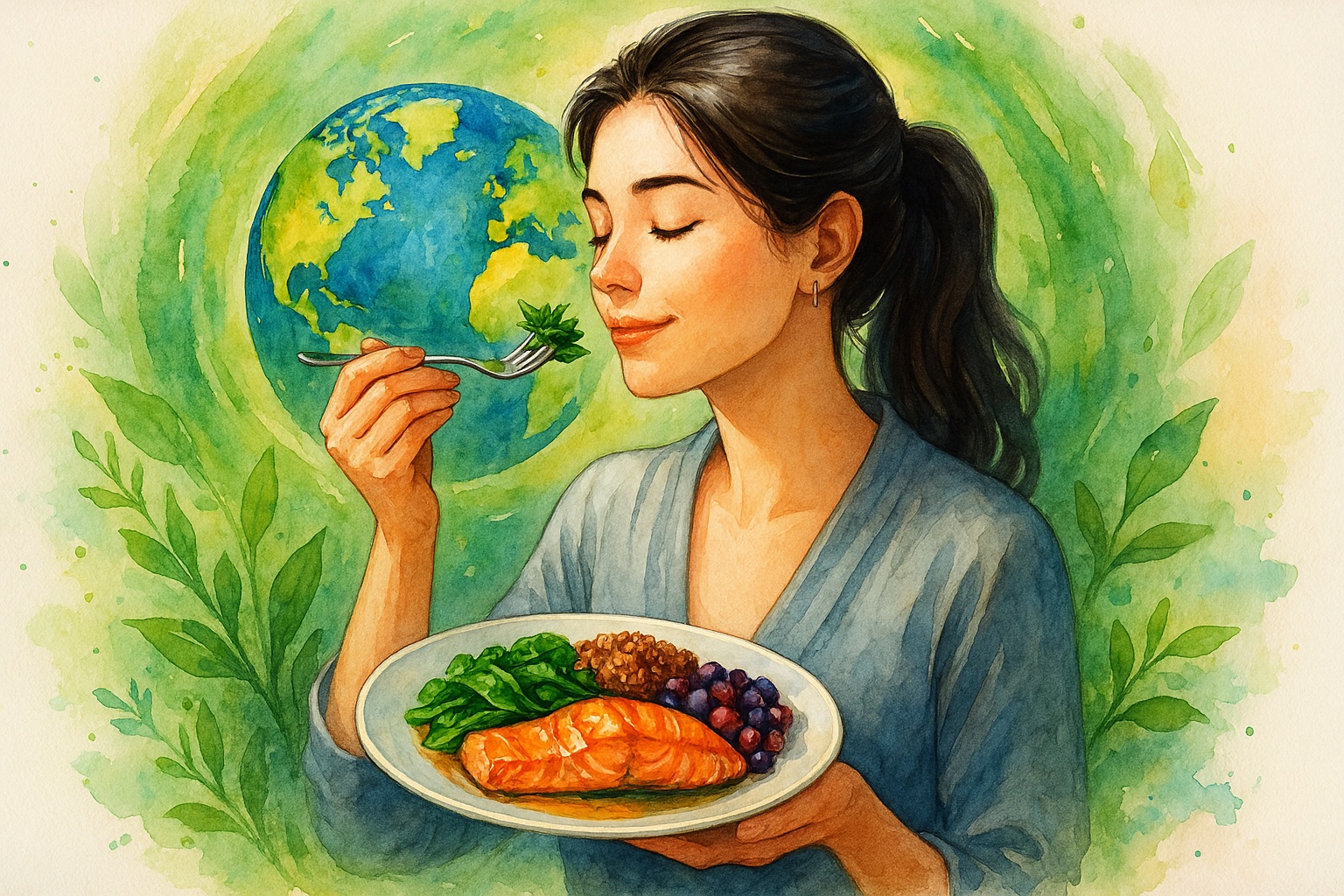
Simple healthy dish: Try this science-backed combo: 3 oz. grilled salmon (for omega-3s), 1/2 cup of quinoa (a complete protein), and sautéed spinach in olive oil with garlic (iron and healthy fat). Top it off with a handful of berries for antioxidants. Delicious, nutrient-rich, and designed with women's health in mind.
2. Hydration, Movement, and Mindfulness
Water might be the simplest health tool we overlook. Aim for at least 8 cups a day to regulate everything from digestion to brain function. Add lemon, cucumber, or mint for flavor without sugar.
Now let's talk movement. It does not have to mean hours at the gym. 30 minutes a day of moderate activity — like walking, yoga, or even dancing in your kitchen — improves mood, circulation, and hormone balance.
And then there is your mind. Journaling, guided breathing, or even 10 minutes of quiet can recalibrate your nervous system. Your brain, like any muscle, needs rest and recovery.
3. Easy Brain-Boosting Tips: MIND Diet for Women
As we age, cognitive health becomes just as critical as physical health. The MIND Diet — a fusion of the Mediterranean and DASH diets — is designed to do just that: support memory and brain function.
Simple MIND Diet Habits to Try
- Add spinach to scrambled eggs or smoothies.
- Trade cookies for a handful of walnuts or blueberries.
- Use quinoa or oats instead of white rice or bread.
- Cook with olive oil instead of butter.
- Include fatty fish like salmon once or twice a week.
These are not just trends — they are backed by research from places like Harvard and the Alzheimer's Association. In fact, following the MIND Diet closely could reduce Alzheimer's risk by up to 53%.
4. Sleep and Physical Activity: Rest, Recharge, and Move
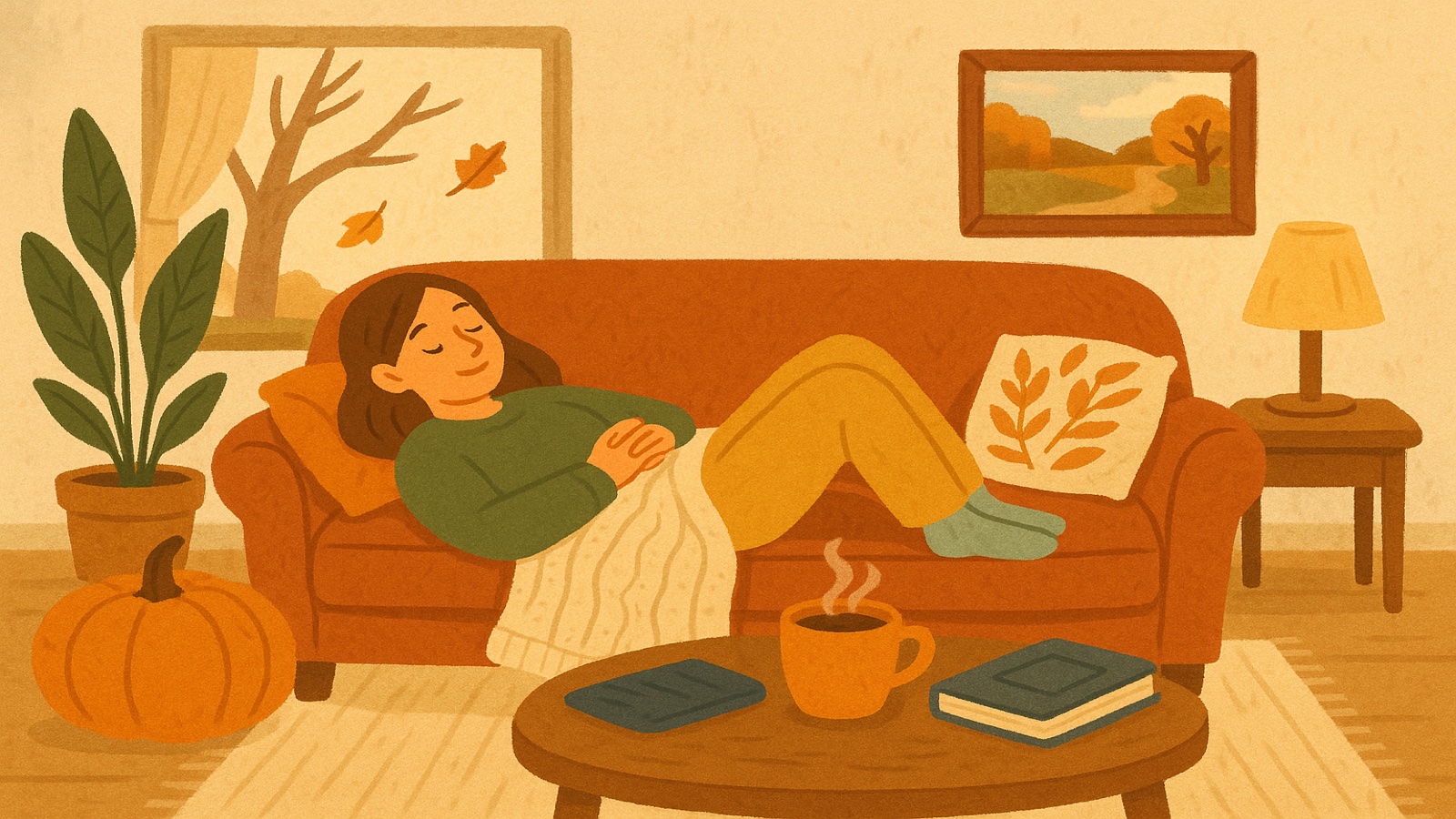
Sleep is not just rest; it is biological repair. Women often juggle roles that disrupt sleep — motherhood, menopause, or high-stress jobs. Aim for 7–9 hours of sleep, wind down with a book, and power off devices an hour before bed.
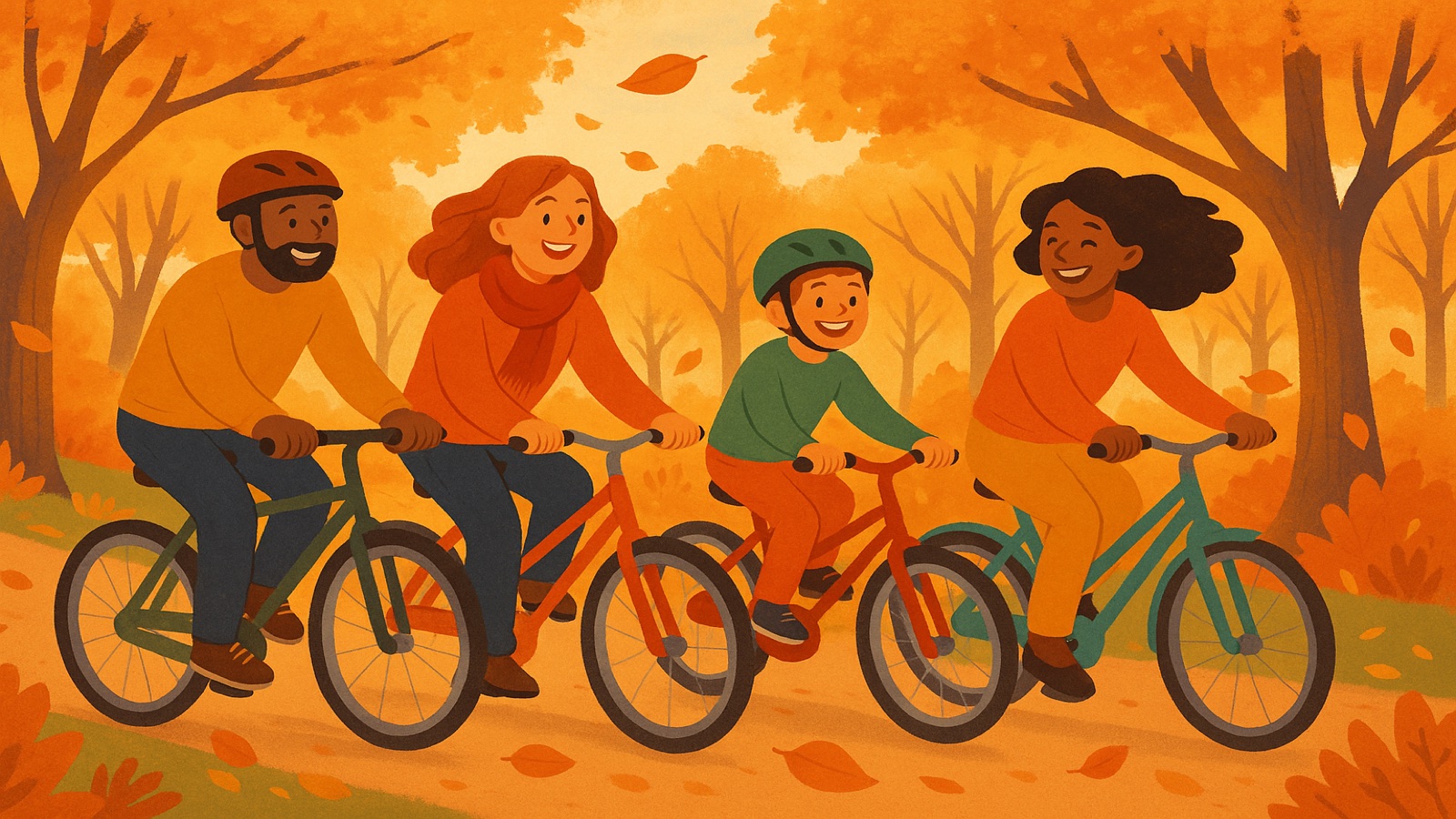
Movement goes beyond fitness — it is medicine. The CDC recommends 150 minutes of moderate-intensity activity weekly. That could be walking with a friend, swimming with your kids, or taking a weekend dance class. Every step counts.
5. Supporting Women's Health Across Life Stages
Health looks different at every stage. Teens need calcium and iron. Pregnant women require folate, protein, and rest. In midlife, it is about managing hormone changes, staying active, and keeping the heart strong.
Adapt your habits as your body evolves. It is not about chasing perfection — it is about learning what works for you, now.
6. What Men Can Do: Support, Share, and Show Up
If you are a man reading this — thank you. Your role matters more than you may realize. Whether as a partner, friend, brother, or father, you can:
- Learn about women's health needs.
- Encourage doctor visits and balanced meals.
- Share caregiving duties and emotional labor.
- Be present and supportive through life transitions.
When men participate, women thrive. Healthy relationships are built on shared understanding.
7. Gut Health and Immunity: The Microbiome Connection
One of the most fascinating breakthroughs in health science in recent years is the role of the gut microbiome. These tiny organisms in your digestive system do not just help you break down food — they influence your immune system, mood, and even hormone balance. For women, a balanced gut microbiome can improve digestion, reduce inflammation, and support mental clarity.
Practical tips: Add a serving of probiotic-rich foods like yogurt, kefir, or kimchi to your meals. Pair them with prebiotic fiber sources like oats, bananas, garlic, and onions to feed the good bacteria.
8. Digital Wellness: Boundaries for Mental Clarity
Between work, social media, and constant notifications, our minds rarely get a break. Setting digital boundaries is an underrated but powerful way to support mental wellness. Excess screen time — especially before bed — has been linked to poor sleep quality and elevated stress levels.
Practical tips: Try designating screen-free hours in your home. Use "Do Not Disturb" modes during meals and carve out 30 minutes of tech-free time before sleep to help your brain wind down.
9. Build a Wellness Circle: Don't Do It Alone
Women are often the glue of their communities, but even glue needs support. Whether it is sharing recipes, walking together, or simply checking in regularly, having a network of supportive women enhances emotional resilience and motivation.
Ideas to try: Start a monthly wellness meetup, join a local fitness group, or participate in a virtual health challenge. The key is connection — it is the multiplier of wellness.
10. Advocacy and Health Equity
Let's not forget: not all women have equal access to health resources. It is our shared responsibility to advocate for affordable healthcare, mental health services, nutritious food, and educational opportunities — especially in underserved communities.
Health equity is not charity. It is justice.
Let's Celebrate Women's Health — Today and Every Day
World Health Day 2025 is not just about awareness — it is about action. Let's build healthier futures by making small, science-backed choices every day: cooking a nutrient-rich meal, taking a walk, listening more deeply, or advocating for someone who needs it.
Healthy beginnings lead to hopeful futures. Let's be part of the change.
Sources: World Health Organization (WHO); Harvard T.H. Chan School of Public Health; Alzheimer's Association; Mayo Clinic; Centers for Disease Control and Prevention (CDC)
Note: The information provided should not replace professional medical advice.